

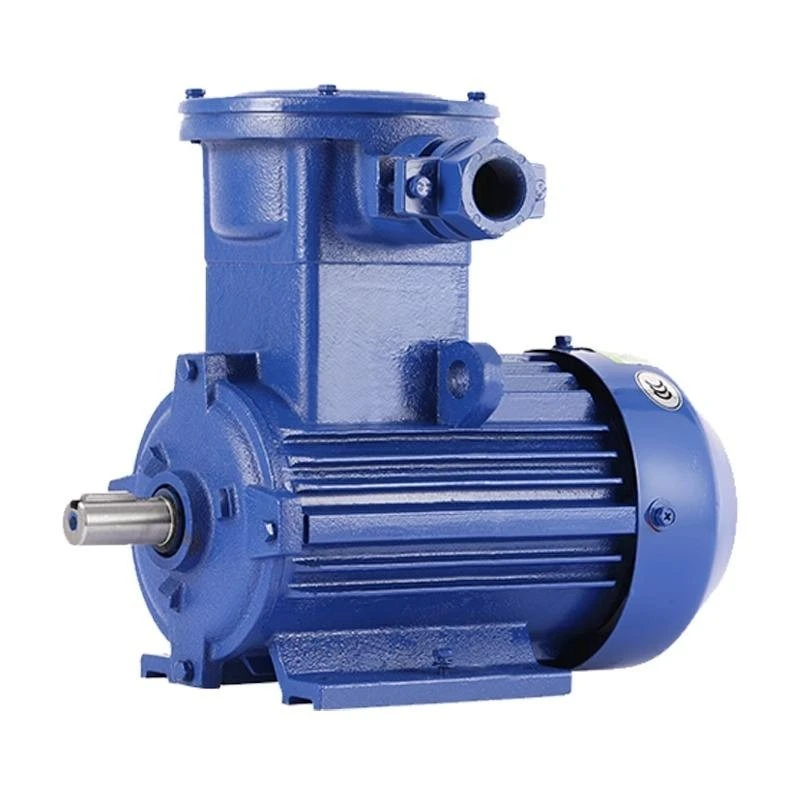
As a supplier of Dust Explosion - Proof Certified Motors, I've encountered a wide range of issues and learned effective troubleshooting techniques. In this blog, I'll share some common problems and how to address them, ensuring your motors operate safely and efficiently.

1. Overheating
Overheating is one of the most prevalent problems with Dust Explosion - Proof Certified Motors. It can lead to reduced motor lifespan, increased energy consumption, and even pose a safety hazard.
Possible Causes
- Excessive Load: If the motor is operating beyond its rated capacity, it will generate more heat. This could be due to improper sizing during installation or a change in the load requirements over time.
- Poor Ventilation: Dust explosion - proof motors are often installed in harsh environments. Dust and debris can accumulate on the motor's cooling fins or block the ventilation openings, reducing the motor's ability to dissipate heat.
- Electrical Issues: Problems such as high resistance in the windings, unbalanced voltage, or a malfunctioning capacitor can cause the motor to overheat.
Troubleshooting Steps
- Check the Load: Review the motor's specifications and compare them with the actual load. If the load is too high, consider upgrading to a larger - capacity motor.
- Inspect Ventilation: Clean the cooling fins and ventilation openings regularly. Ensure that the motor is installed in a well - ventilated area, away from heat sources and obstructions.
- Test Electrical Components: Use a multimeter to check the resistance of the windings, measure the voltage, and test the capacitor. Replace any faulty components.
2. Vibration
Excessive vibration can cause mechanical damage to the motor and its connected equipment, leading to premature failure.
Possible Causes
- Misalignment: If the motor is not properly aligned with the driven equipment, it will generate vibration. This can occur during installation or due to wear and tear over time.
- Loose Mounting: Loose bolts or mounting brackets can cause the motor to vibrate. This can be a result of improper installation or normal operation.
- Imbalanced Rotor: A damaged or imbalanced rotor can cause the motor to vibrate. This can be due to manufacturing defects, wear, or damage.
Troubleshooting Steps
- Check Alignment: Use a laser alignment tool to check the alignment of the motor and the driven equipment. Adjust the alignment as necessary.
- Tighten Mounting: Inspect the mounting bolts and brackets and tighten them if they are loose.
- Inspect the Rotor: If you suspect an imbalanced rotor, have the motor disassembled and the rotor balanced by a professional.
3. Noise
Unusual noises from the motor can indicate a problem that needs to be addressed.
Possible Causes
- Mechanical Wear: Worn bearings, gears, or belts can produce noise. This is a common issue in motors that have been in operation for a long time.
- Electrical Arcing: Electrical arcing in the motor's windings or contacts can produce a buzzing or crackling noise. This can be caused by loose connections, damaged insulation, or high - voltage spikes.
- Foreign Objects: Foreign objects such as dust, debris, or small parts can get into the motor and cause noise.
Troubleshooting Steps
- Inspect Mechanical Components: Check the bearings, gears, and belts for wear. Replace any worn components.
- Check Electrical Connections: Inspect the electrical connections for tightness and signs of arcing. Repair or replace any damaged connections.
- Clean the Motor: Remove any foreign objects from the motor. Use compressed air to blow out dust and debris.
4. Failure to Start
If the motor fails to start, it can disrupt your operations.
Possible Causes
- Power Supply Issues: A lack of power, low voltage, or a blown fuse can prevent the motor from starting.
- Control Circuit Problems: Faulty switches, relays, or control panels can prevent the motor from receiving the necessary signals to start.
- Motor Damage: Internal damage to the motor, such as a burned - out winding or a seized rotor, can prevent it from starting.
Troubleshooting Steps
- Check the Power Supply: Use a multimeter to check the voltage at the motor's terminals. Ensure that the power supply is functioning properly and that the fuses are not blown.
- Inspect the Control Circuit: Check the switches, relays, and control panels for faults. Replace any faulty components.
- Test the Motor: If you suspect motor damage, have the motor tested by a professional. They can use specialized equipment to diagnose the problem and determine if the motor needs to be repaired or replaced.
Product Recommendations
We offer a variety of Dust Explosion - Proof Certified Motors to meet your specific needs. Our Dual Compound Explosion - Proof Motor provides enhanced protection in hazardous environments. The IECEx Certified Increased Safety Motor is designed to meet international safety standards, ensuring reliable operation. And our Chemical Resistant Coated Explosion - Proof Motor is ideal for applications where exposure to chemicals is a concern.
If you are experiencing problems with your Dust Explosion - Proof Certified Motors or are looking to purchase new ones, we are here to help. Our team of experts can provide you with technical support, product recommendations, and competitive pricing. Contact us to start a procurement discussion and find the best solution for your needs.
References
- "Electrical Motor Handbook" by Arnold E. Fitzgerald, Charles Kingsley Jr., and Stephen D. Umans.
- "Motor and Drive Troubleshooting" by Bill Schweitzer.