

Installing a high flow fire pump in a basement is a critical task that requires careful planning, technical expertise, and adherence to safety standards. As a trusted supplier of high flow fire pumps, I've witnessed firsthand the importance of a well - installed system in safeguarding properties and lives. In this blog, I'll share a comprehensive guide on how to install a high flow fire pump in a basement.
Pre - installation Preparation
Before you even start thinking about physically installing the fire pump, there are several crucial steps to take.
Site Assessment
The first step is to conduct a thorough site assessment of the basement. Check the dimensions of the area where the pump will be installed. Ensure that there is enough space for the pump unit, associated equipment such as controllers and valves, and easy access for maintenance. Measure the height, width, and length of the installation area to confirm it meets the manufacturer's specifications.
Evaluate the basement's structural integrity. The floor must be able to support the weight of the fire pump and its accessories. If necessary, consult a structural engineer to reinforce the floor or make any required modifications.
Also, assess the ventilation in the basement. A high flow fire pump generates heat during operation, and proper ventilation is essential to prevent overheating. Adequate ventilation also helps to remove any potentially harmful fumes or gases that may be produced.
Regulatory Compliance
Familiarize yourself with all local, state, and national regulations regarding fire pump installations. These regulations cover aspects such as pump capacity, installation location, electrical connections, and safety features. Obtain all the necessary permits before starting the installation process. Failure to comply with these regulations can result in fines, delays, and even the invalidation of insurance policies.
Equipment Selection
As a high flow fire pump supplier, I understand the importance of choosing the right equipment. Consider the specific requirements of the building, such as its size, occupancy, and fire risk. For large commercial buildings or industrial facilities, a more powerful Fire Water Pump may be required.
Look for pumps that are energy - efficient and have a proven track record of reliability. Consider additional features such as low noise operation. Our Low - noise Fire Pump is an excellent choice for installations where noise may be a concern, such as in basements of residential buildings or hospitals.
Installation Process
Foundation Installation
Once the site is prepared, the next step is to install the foundation for the fire pump. The foundation should be made of a strong and durable material, such as concrete. It should be level and flat to ensure proper alignment of the pump and to prevent vibration during operation.
Mark the location of the foundation on the basement floor according to the pump manufacturer's specifications. Pour the concrete and use a screed to level it. Insert anchor bolts into the wet concrete at the appropriate locations for mounting the pump. Allow the concrete to cure for the recommended period before proceeding with the pump installation.
Pump Installation
Carefully lift the high flow fire pump onto the foundation using appropriate lifting equipment, such as a crane or forklift. Align the pump with the anchor bolts and lower it into place. Secure the pump to the foundation using nuts and washers tightened to the specified torque.
Connect the suction and discharge pipes to the pump. The suction pipe should be properly sized to ensure an adequate supply of water to the pump. Use gaskets and seals to prevent leaks at the pipe connections. The discharge pipe should be routed to the appropriate fire protection system, such as sprinklers or standpipes.
Electrical Installation
The electrical installation is a critical part of the process. Hire a licensed electrician to connect the fire pump to the power supply. The electrical system should be designed to handle the power requirements of the pump and should include appropriate safety features such as overload protection and grounding.
Install a dedicated circuit breaker for the fire pump to ensure that it can operate independently of other electrical systems in the building. Connect the pump controller, which is responsible for starting and stopping the pump, to the electrical system. The controller should be programmed according to the manufacturer's instructions.
Control System Installation
The control system is the brain of the fire pump. It monitors the system's pressure, flow rate, and other parameters and activates the pump when necessary. Install the control panel in a convenient location near the pump. Connect the sensors and switches to the control panel to ensure accurate monitoring.
Test the control system to ensure that it is functioning properly. Set the pressure and flow rate setpoints according to the design requirements of the fire protection system. The control system should be able to start the pump automatically in the event of a fire and provide real - time feedback on the system's status.
Post - installation Testing and Commissioning
After the installation is complete, it's time to test and commission the fire pump.
Functional Testing
Conduct a series of functional tests to ensure that the pump is operating correctly. Start the pump and check the flow rate and pressure at the discharge point. Compare the readings with the design specifications. Check for any leaks in the pipes, valves, and connections.

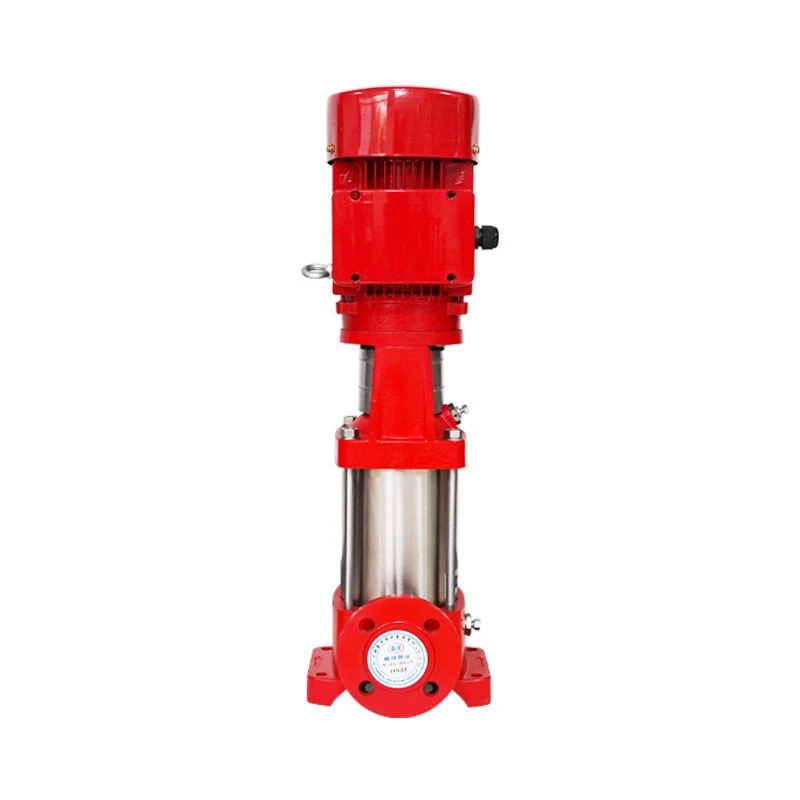
Test the automatic start and stop functions of the pump. Simulate a fire event by triggering the appropriate sensors and verify that the pump starts within the specified time. Test the alarm system to ensure that it alerts the appropriate personnel in case of a problem.
Performance Testing
Perform performance testing to evaluate the long - term performance of the fire pump. Run the pump for an extended period and monitor its performance. Check for any signs of overheating, excessive vibration, or abnormal noise. Analyze the data collected during the performance testing to identify any potential issues.
Commissioning
Once all the tests are successful, the fire pump can be commissioned. This involves obtaining a certificate of compliance from the relevant authorities. The commissioning process also includes training the building's maintenance staff on how to operate and maintain the fire pump.
Maintenance and Support
A high flow fire pump requires regular maintenance to ensure its continued reliability. As a supplier, we offer comprehensive maintenance and support services.
Regular Inspections
Schedule regular inspections of the fire pump and its associated equipment. Inspect the pump for any signs of wear and tear, such as damaged bearings or seals. Check the pipes and valves for leaks and corrosion. Inspect the electrical system for loose connections or damaged wiring.
Preventive Maintenance
Perform preventive maintenance tasks such as lubricating the pump's moving parts, replacing filters, and testing the control system. Follow the manufacturer's recommended maintenance schedule to ensure that the pump operates at its best.
Emergency Support
In case of an emergency, our team of experts is available 24/7 to provide support. We can quickly diagnose and repair any problems with the fire pump to minimize downtime and ensure the safety of the building.
Conclusion
Installing a high flow fire pump in a basement is a complex but essential process. By following the steps outlined in this blog, you can ensure a successful installation and a reliable fire protection system. As a leading supplier of high flow fire pumps, we are committed to providing high - quality products and services. If you are considering installing a fire pump in your basement or have any questions about our Fire - fighting High - pressure Water Supply System, please contact us to discuss your specific needs. Our team of experts is ready to assist you in every step of the process, from equipment selection to installation and maintenance.
References
- NFPA 20: Standard for the Installation of Stationary Pumps for Fire Protection
- Manufacturer's installation and operation manuals for high flow fire pumps
- Local building and fire codes